Empowering Women & Girls in Gaza
Restoring Dignity. Building Resilience. Creating Hope.
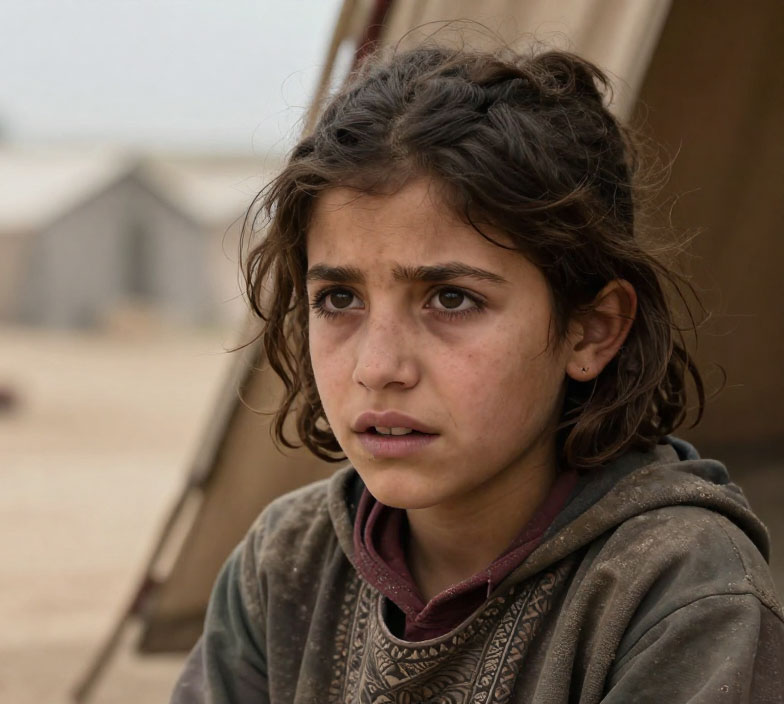
Women and girls in Gaza are among the most affected by prolonged conflict, displacement, and economic collapse. Many have lost access to healthcare, livelihoods, education, and safe spaces placing their dignity, safety, and future at risk.
ICNA Relief Canada’s Women and Girls Empowerment Program is a comprehensive humanitarian initiative designed to protect, uplift, and empower women and girls during crisis while laying the foundation for long-term recovery and resilience.
Our Commitment
With a total program investment of CAD 1,000,000, ICNA Relief Canada is delivering life-saving support and empowerment services to thousands of women and girls across Gaza.
Our approach goes beyond emergency aid—we focus on dignity, protection, self-reliance, and hope.
Program Objectives
- Strengthen economic resilience of women through livelihoods and skills support
- Improve physical and mental health, including psychosocial care
- Protect dignity and safety through women-centered protection services
- Support girls’ education, life skills, and leadership development
Who We Serve
- 5,000 women and adolescent girls directly supported
- 25,000+ family members benefiting indirectly
- Priority given to widows, female-headed households, displaced women, and adolescent girls
Program Components

Women’s Livelihoods & Economic Empowerment
We help women regain independence through:
- Cash grants and small business start-up kits
- Skills training and vocational support
- Financial literacy and income-generation opportunities

Health, Nutrition & Psychosocial Support
- Reproductive and maternal healthcare services
- Nutrition assistance for pregnant and lactating women
- Trauma-informed psychosocial support and counseling

Protection, Dignity & Safe Spaces
- Dignity kits for women and adolescent girls
- Women-friendly safe spaces
- Protection services and referral pathways for survivors of violence

Girls’ Education & Life Skills
- Education kits and learning materials
- Catch-up education support
- Life skills, confidence building, and leadership training
Program Impact
- Women gain income-generating skills and opportunities
- Improved access to healthcare and psychosocial support
- Reduced protection risks and enhanced dignity
- Girls remain engaged in education and leadership pathways
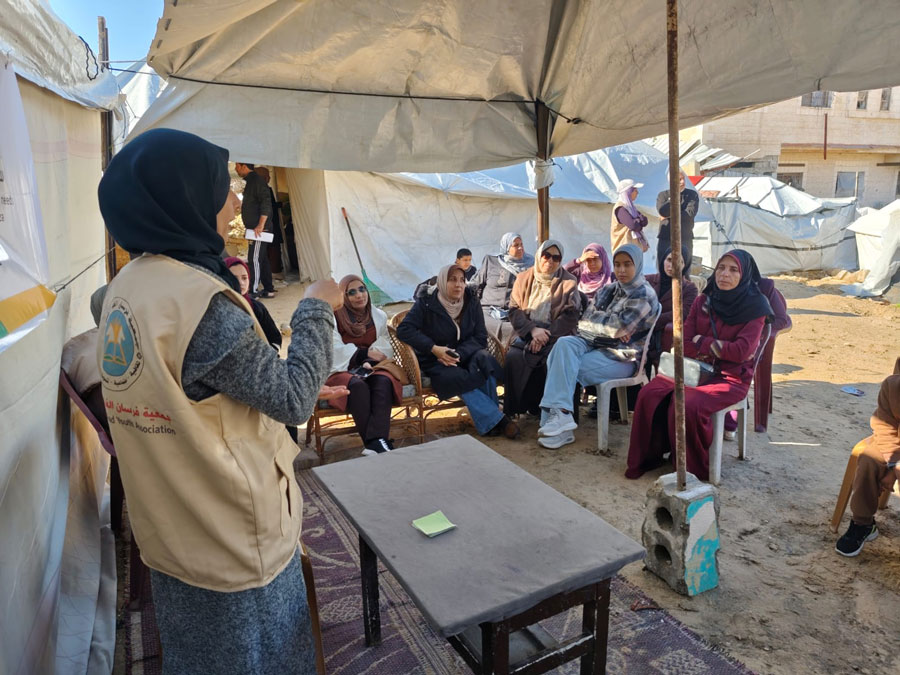
Program Impact
- Women gain income-generating skills and opportunities
- Improved access to healthcare and psychosocial support
- Reduced protection risks and enhanced dignity
- Girls remain engaged in education and leadership pathways
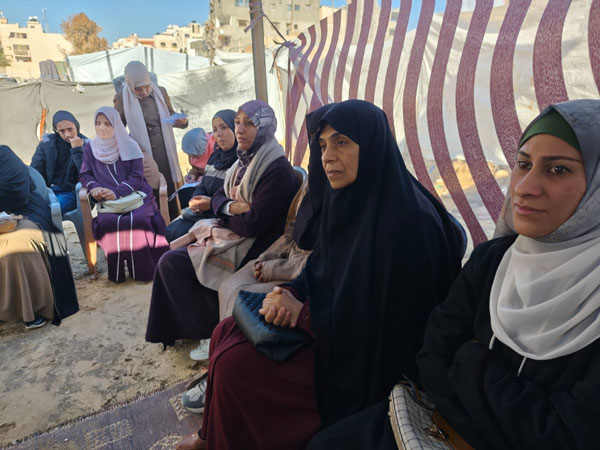
Sustainability & Long-Term Impact
Our program emphasizes:
- Skills development over dependency
- Community ownership and participation
- Linkages to long-term recovery and rehabilitation initiatives